
Identifying the Keys to Building Power

Power development is of primary importance for athletes of virtually every sport. The ability to generate force in a short amount of time in order to accelerate the body and/or an implement is central to most sporting endeavors.
In designing a program, there are many variables, but only a relative few will create a training effect of power.
Power is defined as force times velocity (P=F * V or Strength * Speed).
Manipulating either variable can lead to an increase in power.
Therefore one’s potential to improve power can be increased by either focusing on improving force (strength) or their velocity (speed) of movement.

Force is developed to cause an object with mass to change its velocity.
This mass can be one’s own bodyweight or any external load.
Force is typically developed through traditional strength training means that is targeting the CNS to improve its ability to recruit greater amounts of motor units.
Improving one’s muscle size can also improve their ability to produce greater amounts of force.
Velocity indicates the rate of change or speed and direction of movement. In most sports, the velocity of one’s bodyweight is a key determiner of success. Velocity is developed by speed training, plyometrics and light strength training (<30% of 1RM) and targets the CNS ability to recruit motor units at a faster rate.

Verkhoshansky first introduced the terms strength-speed and speed-strength to differentiate the two ways that power can be further broken down.
Strength-speed focuses the force variable while moving as fast as possible, and Speed-strength focuses on the velocity variable with a lesser loads. The biggest differences in the two methods are the loads used, as the majority of movements used in athletics should be done at a high rate.
Assessing Power
The vertical jump is a common measurement to assess an athletes’ power.
The vertical jump is a great indicator of static power (starting strength), whereas an approach vertical jump (running start) is an indicator of reactive power (elastic strength). The height that an athlete can attain during a vertical jump is primarily due to their muscular strength and neuromuscular coordination with very little contribution from their true plyometric ability.
The height that an athlete can attain during an approach vertical jump is primarily due to the plyometric recoil of the muscle-tendon complex rather than the strength of the individual muscle fibers.
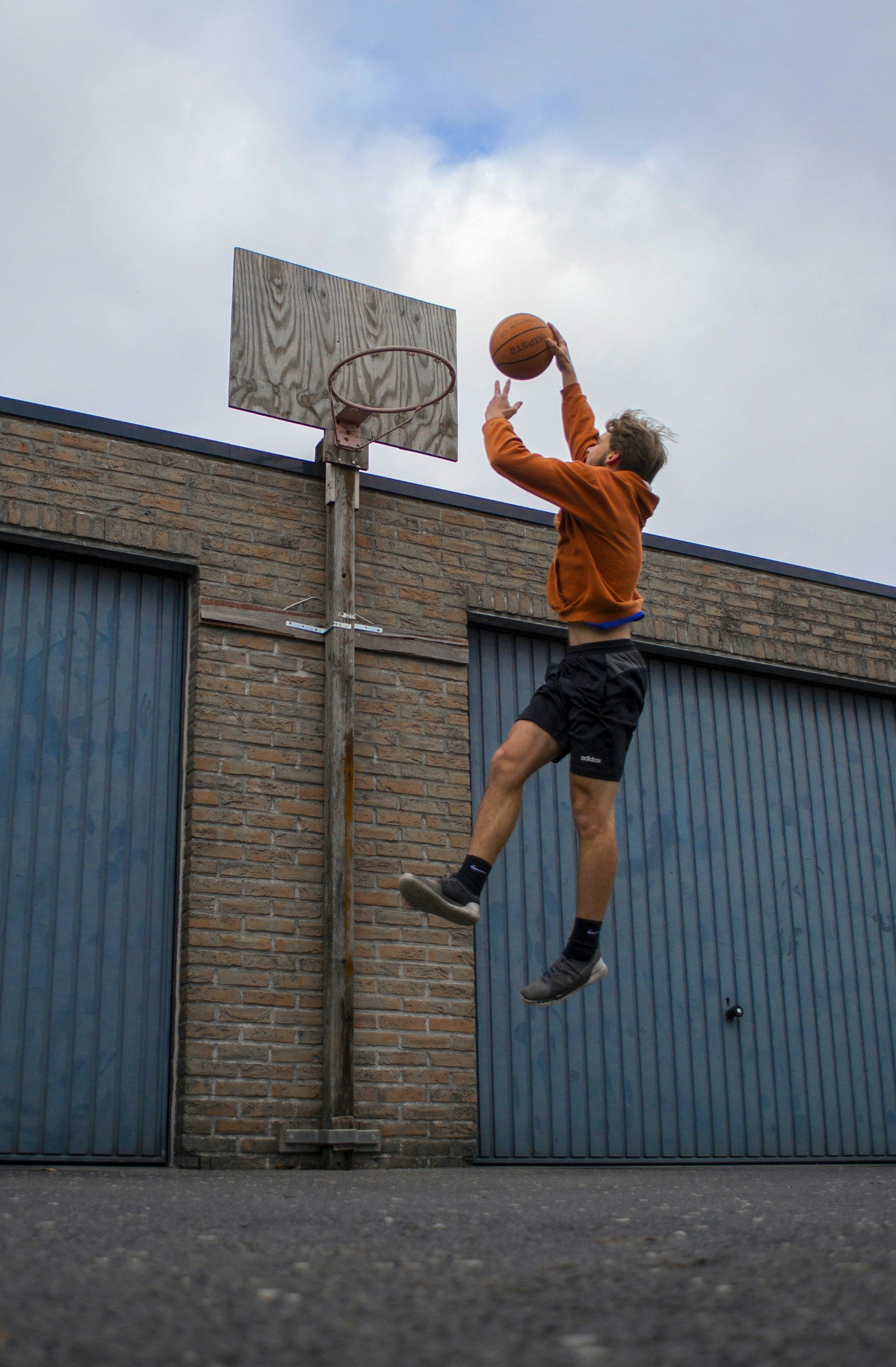
Certain athletes may be more static jumpers and some may be more spring jumpers. The sport that they play determines what they need and what they should train for but it’s also important to assess the athlete to know what the athletes’ strengths and weaknesses are to best prepare them for their sport.
Through my experience working with athletes it seems as if a 4-inch difference between the countermovement jump and approach jump is a good indicator the athlete has a good balance between their static and spring abilities.
If there is a greater than 4-inch difference, the athlete needs more time developing force (traditional strength training means because they are more elastic).
If there is less than 4-inch difference, the athlete can spend more time developing velocity (plyometrics, sprint training, explosive training, light Olympic lifting). This is a good way to determine what’s the most time efficient way to train an athletes’ power development.
Summary
Athletes all need power to be successful as time is such a key factor in making a play.
The faster and more explosive athlete will typically win as their ability to get one extra possession, or get to a ball or puck just a step quicker allows more opportunities for their team to be successful.
The key is to understand that there are many ways to develop power and tailor the training towards each athlete.
B
