Post-Season Training Part 2
In the last post, I discussed the goals of our post-season training and as mentioned before, I will discuss each goal a bit more in-depth.
Goal #1 Restore range of motion that was lost during the season
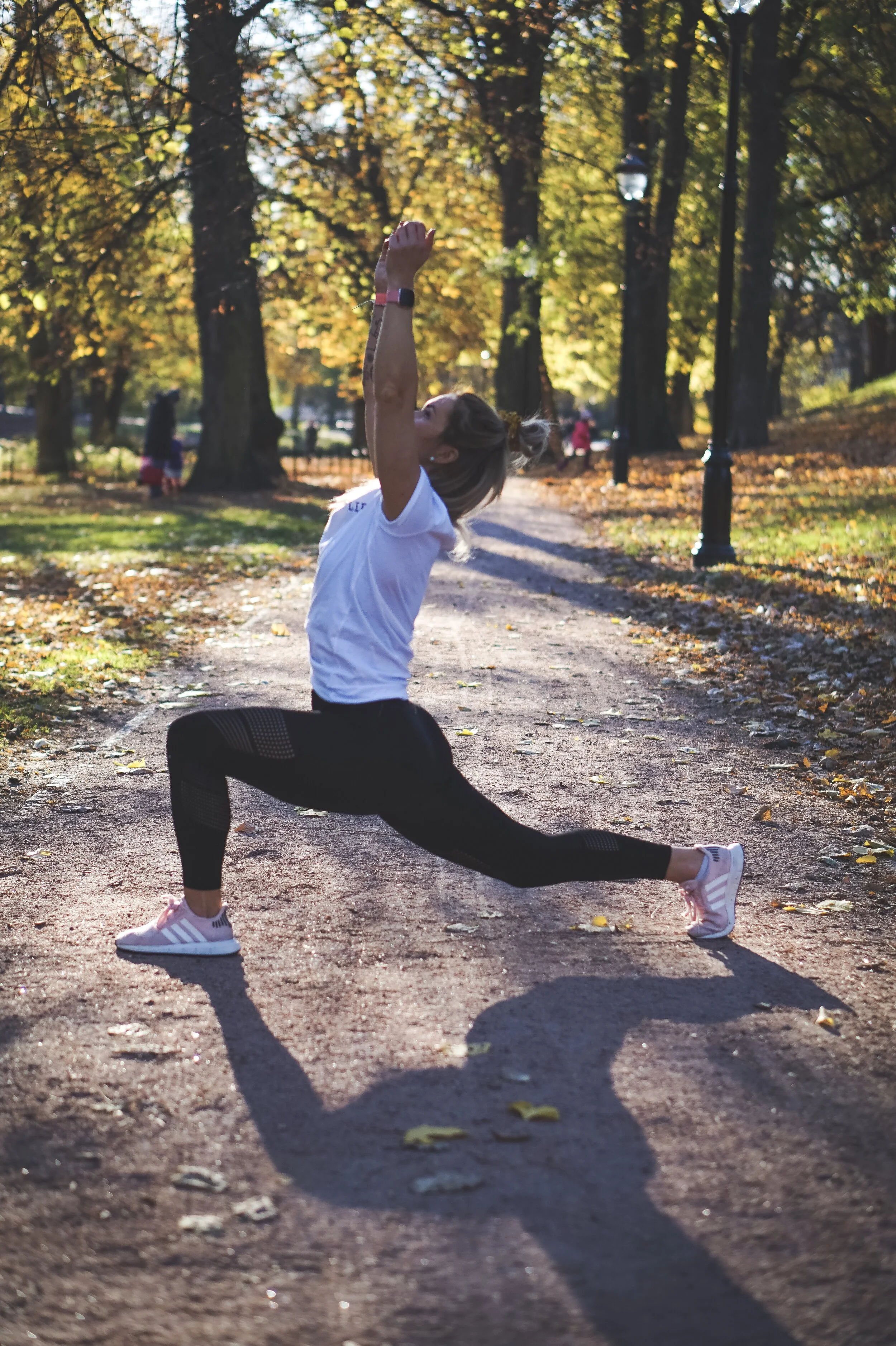
Due to the nature of sports and the length of the season, many athletes can lose joint range of motion during the season. Very few sport movements are done through a full range of motion, especially in the lower body. When a large volume of these movements occur during the season (repetitions) in a shortened range of motion, the body starts to adapt to these ranges and become less efficient in getting into the greater positions of extension. It's important that we as coaches address these issues and start teaching our athletes how to move their joints through a full range of motion to re-establish optimal mobility/stability relationships at each joint to minimize compensations and restore ideal movement patterns before engaging in a more intense off-season program.
Goal #2 Build Work Capacity for the off-season so higher volumes of training can be handled.
Specific work capacity for physical development tends to decrease in-season because the majority of time is spent on developing specific work capacity for sport skills. It's important that we re-establish a good fitness base in the post-season before engaging in longer training sessions during the off-season where multiples strength qualities are trained in the same session and throughout a microcycle (speed, power, strength, etc.). If an athlete can not handle the stress of training, proper adaptations can not be attained which may result in illness, injury or over-training. Therefore it is essential that work capacity and the ability to handle greater amounts of volume are addressed during the post-season before throwing a ton of volume at athletes.
Goal #3 Reinforce technique in the major primary lifts.
During a late season push towards the playoffs, strength training sometimes can be reduced in an effort to try and "peak" athletes for major competitions. This may mean that primary movements (squats, presses, deadlifts, etc.) may not be trained. Then add in the off weeks at the conclusion of the season, some athletes may not perform these movements for 3-4 weeks. The power-lifts and olympic lifts that constitute many coaches exercise menus as "core", "primary", or "foundational" movements need to be re-taught, so that technique is re-inforced prior to heavier loading. These are technical movements that require the coordination and synchronization of multiple joints and muscles simultaneously. They need to be rehearsed and performed on a continual basis, so athletes understand the movements and feel confident with their technique with lower loads before loads are increased. Re-teaching also allows your older athletes to help coach the younger athletes which can be beneficial for team building purposes. In the next post, I'll address the next 3 goals.
