
Why Most Conditioning Programs Don't Actually Prepare Athletes for Games
I want to ask you something.
When you design your conditioning sessions, are you training the energy systems your athletes actually use — or are you training the ones that are easiest to program?
Because there's a significant gap between what most conditioning programs look like and what the physiological demands of team sport competition actually require.
And that gap is where athletes gas out in the third period, the fourth quarter, the back half of a match — not because they aren't fit, but because they trained the wrong system, or the right system the wrong way.
The three-system problem
Every performance coach knows the three energy systems. Phosphocreatine (alactic), glycolytic (lactic), and aerobic (oxidative). You learned this in your first exercise science class.
The problem isn't that coaches don't know the systems exist. The problem is how they get programmed — especially in team sports.
The most common mistake I see is aerobic work being used as the default conditioning tool regardless of the sport's actual energy demands. Long runs. Bike intervals at steady state. Endless circuits at moderate intensity.
I understand why it happens. Aerobic work is easy to program, easy to supervise, and it produces visible fitness improvements that coaches can point to. Athletes breathe hard. They sweat. It looks like conditioning.
But if you're training a hockey player, a basketball player, or a soccer midfielder — athletes who work in short, explosive bursts with active recovery between them — chronic moderate-intensity aerobic training is not specific preparation for what they do.
It builds a base. It doesn't build sport-readiness.
What team sport conditioning actually looks like
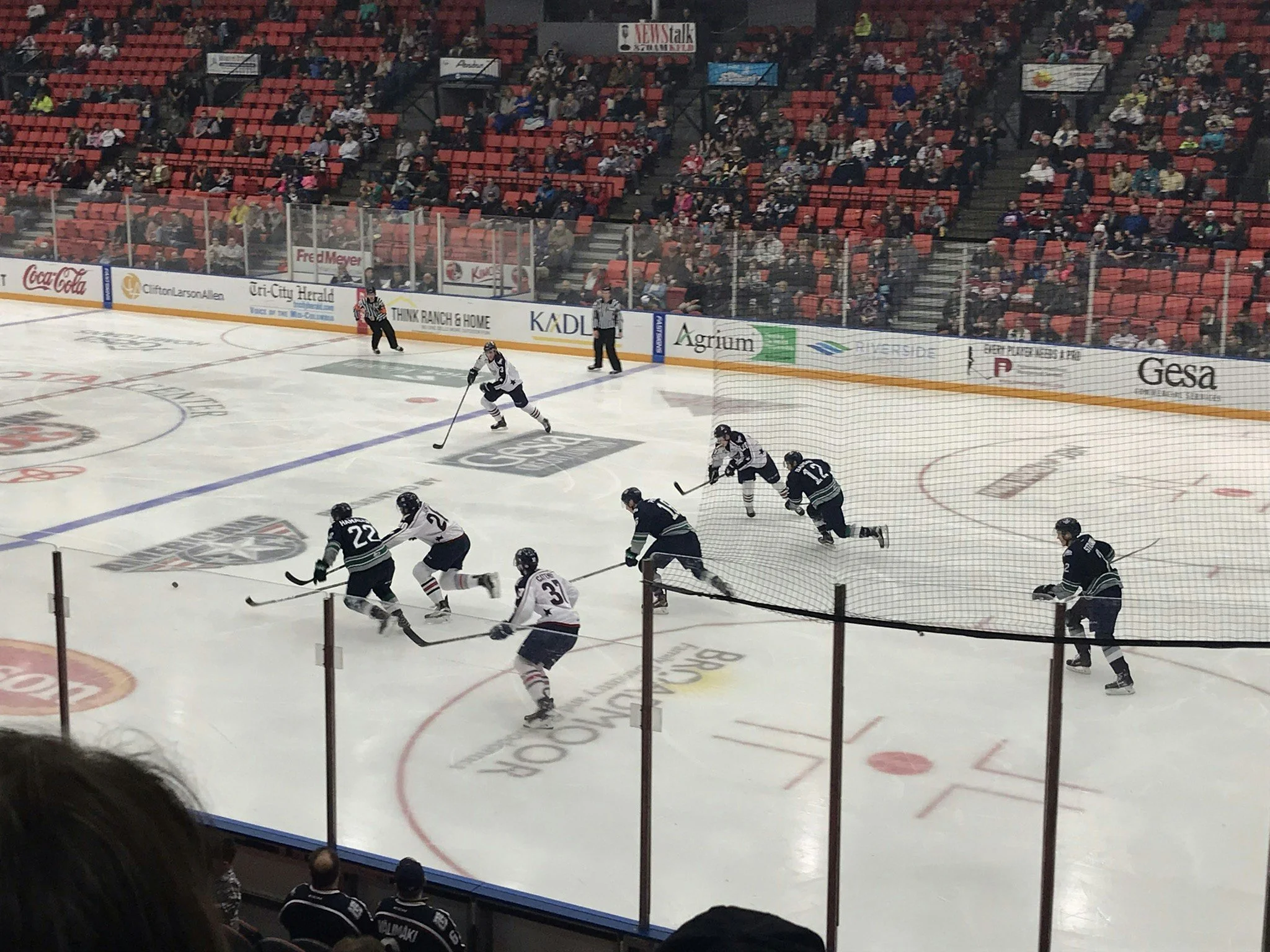
Ice hockey is a perfect example. A shift is 30 to 45 seconds of high-intensity intermittent work followed by 90 seconds to three minutes of rest on the bench. The dominant energy system during the shift is alactic — phosphocreatine — not glycolytic, not oxidative. As a shift isn’t maximal skating for 30-45 seconds. It has periods of sprinting and periods of gliding that aren’t as maximal.
What recovers the athlete between shifts is the aerobic system. The stronger the aerobic base, the faster the phosphocreatine replenishes, and the harder the athlete can work on the next shift.
So both systems matter. But they need to be trained for their actual role in the sport — not in isolation, not interchangeably.
Basketball is similar. High-intensity bursts — a fast break, a defensive rotation, an explosive cut — followed by a free throw, a timeout, a change of possession. The aerobic system as the recovery mechanism, the alactic system as the performance mechanism.
When I design conditioning for these sports, I'm not asking "how do I make this athlete fit?" I'm asking: what system does this action require, at what intensity, for how long, with how much recovery, and how many times?
The answers to those questions determine the method.
The methods I use and why
The Patel Training System organizes conditioning into distinct methods, each tied to a specific energy system target and a specific physiological adaptation.
For alactic development — short, maximal efforts — I'm looking at 3 to 10 second work periods with full recovery. The goal is maximum power output on every rep. The moment you're training around incomplete rest, you've shifted the adaptation away from alactic and into lactic.
Most coaches shorten the rest because it looks like the athlete is working harder. They're not working harder. They're working differently — and adapting to a different demand than the one they'll face in competition.
For lactic capacity — the ability to tolerate and buffer fatigue — you need longer work periods, shorter rest, and a high tolerance for discomfort. 90 seconds to 3 minutes of work. The athlete is supposed to be uncomfortable. That's the point. But it has to be programmed intentionally with the right frequency and recovery window, not stacked on top of everything else in the week.
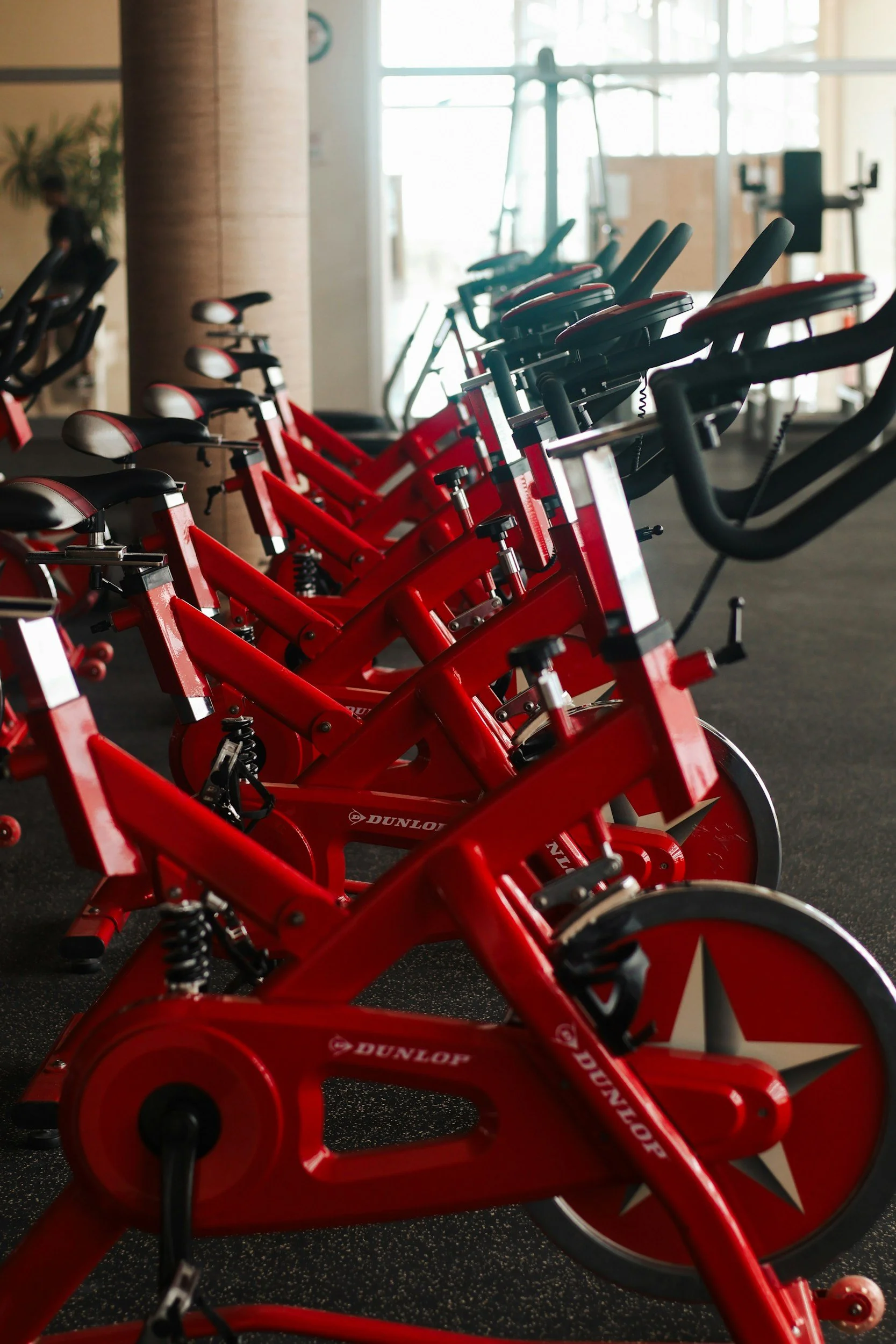
For aerobic development — the recovery engine — I'm looking at continuous work at 130 to 150 BPM. Flush rides on the bike after heavy training sessions. Aerobic threshold development in the off-season. Building the base that makes everything else sustainable.
None of these methods is more important than the others. They all serve a role. What matters is using the right one at the right time with the right parameters.
The periodization layer
The other piece that most programs miss is how conditioning changes across the season.
Pre-season is where you build specific capacity as practice load starts to increase. In-season shifts to load management and maintenance — you can't build fitness in-season if you're playing two games a week. The goal becomes keeping athletes sharp without accumulating so much fatigue that it affects performance.
The conditioning prescription for a Day −4 looks completely different from Day −2. Day −4 might include lactic capacity work as part of a full training session. Day −2 should be short, explosive, speed-based — nothing that generates the kind of fatigue you're going to carry into the game.
When you build your conditioning calendar with this kind of intentionality — knowing which system you're targeting, which day of the game week you're on, and what phase of the season you're in — your conditioning stops being something that competes with sport performance and starts being something that enhances it.
The piece I didn't understand early in my career
When I started coaching, I thought conditioning was about making athletes fit enough to compete. Work capacity. Gas tank size.
What I've learned over 25 years is that conditioning is a precision tool. The athletes who perform best late in games and late in seasons aren't just fitter. They've been trained for the specific physiological demands of their sport, with the right methods, at the right intensities, in the right sequence, with enough recovery to actually absorb and adapt to the work.
That's not an accident. That's a system.
Putting it together
Over the last four weeks I've walked through the pillars of the Patel Training System — the origin and philosophy behind it, load management and game week structure, daily wellness monitoring, and energy system development.
These aren't four separate topics. They're four layers of the same framework. Your conditioning work is only as effective as your load management supports it. Your load management decisions are only as good as the monitoring data behind them. And all of it sits on a movement foundation that ensures the athlete is physically prepared to do the work in the first place.
That's what a system looks like. Not a collection of good ideas — a connected framework where every decision informs the next one.
If any of this connects with how you think about coaching — or with problems you've been trying to solve in your own program — I'd encourage you to check out the membership tools I've built at Coach B Membership. Every tool in there is a digital extension of exactly what I've been describing in this series. Built from the same system. Tested over 25 years.
Not theory. Practice.
Questions, pushback, or things you want me to go deeper on — reach out. I'm always up for the conversation.
