Post-Season Training Part 3
In this post, I'm going to discuss the next 3 goals of post-season training. If you haven't read the previous posts in this series, check them out here: Part I, Part II.
#4. Rehab Any Injuries This is an important step in the post-season prior to engaging in higher volumes of training. A long season can cause a number of little injuries that can be played through or managed while still trying to compete. But once the season is over, it is vital that these injuries are taken care to ensure that another injury in the same area will not occur again. According to Gray Cook, previous injury is the number one predictor of another injury. That's why it's crucial that athletes take care of this injuries so the body won't compensate and cause another injury.
Having a skilled athletic trainer or physical therapist who knows biomechanics and understands how the body can compensate will play a huge role in rehabbing these injuries. The strength and conditioning coach and trainer or therapist should be communicating in how best to handle the athlete so they can continue to train and work around their injury while rehab is occurring simultaneously.
#5. Build connective tissue strength through higher eccentrics, isometrics and longer duration movements Muscles adapt faster than tendons and ligaments and for proper long term training to occur during the off-season, the connective tissue needs to be prepared to handle sufficient stress prior to heavier loading. Jumping quickly into adding heavier loads or higher speed contractions in training is a sure fire way to aggravate joints and slow training down. Training is a progressive process and requires the connective tissue to be resilient enough before volume, load and speed are introduced. The most effective way to prepare the connective tissue is through the use of slow eccentrics, isometrics and movements with a longer time under tension. Slow eccentric tensions are very effective for strengthening tendons because in eccentric movements one can generate greater muscle tension than one's max in concentric movements. In other words, one can lower greater weight than one can lift. Tension, if not excessive, stimulates tendons to grow stronger (lay more connective tissue fibers and line them up right). The cumulative muscle tension that can be generated in a given number of reps is greater in eccentric and isometric movements than in concentric, or in natural movements (combined concentric and eccentric, with the amount of resistance determined by the concentric movement). Once the connective tissue has been properly prepared, plyometrics, movement training (linear and lateral) and heavier loads can be introduced (higher speed eccentric contractions that take place in plyometrics, sprinting and agility training place a high load upon the tendons).
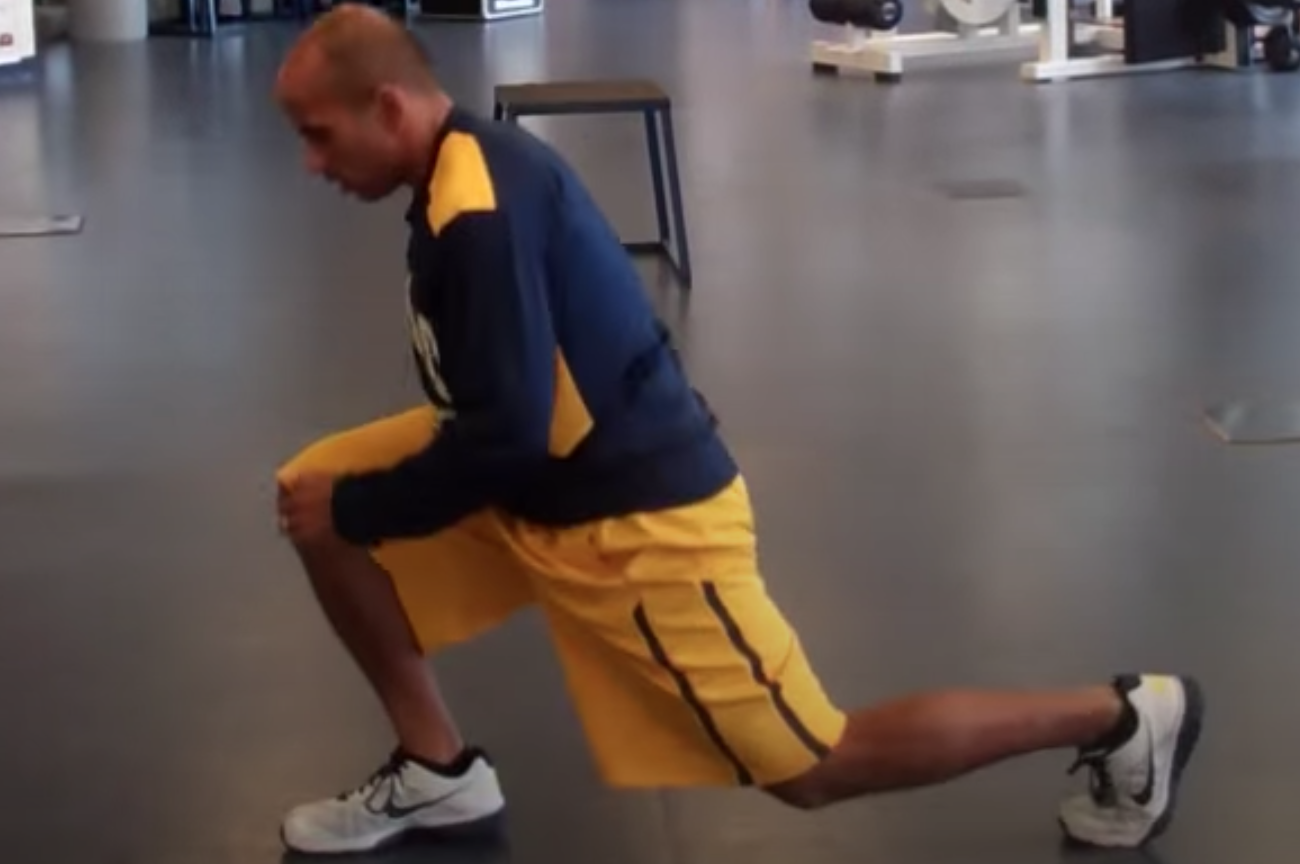
Iso’s are great for developing connective tissue strength while work working developing proper position for movement skills.
#6. Teach proper position of movement skills Teaching proper movement skills of dynamic activities that will occur during the off-season training is necessary in the post-season. I've found that by teaching athletes where their weight should be distributed and how to push into the ground during certain exercises gets them to understand how to better use their bodies and also develops body awareness. I teach these movement skills through the use of isometric exercises. Some of the benefits of isometric exercise is listed in #5, but they also allow the coach to teach the athletes and fix the athlete in the moment of the exercise, which can be difficult during a dynamic activity. Using exercises such as split squat holds or squat holds can teach the athlete how and where to distribute their weight on their feet, how to position their hips and torso and which muscles are active during the movement. This can help when progressing to sprinting, changing direction and jumping exercises. I think isometrics are underused, misunderstood and hold a lot of merit in making better athletes. That's it for now...until next time, I hope I've been able to stimulate some thought.
