
Post-Season Training Part 4
In this post, we will conclude the series and discuss the last 4 goals of post-season training. I want to point out that some other coaches may call this the early off-season as well and I hope you realize that this is the same time period. If you haven't read the other installments, check them out: Part I, Part II, Part III
7. Establish mentality of the team for following season The post-season is a time where the returnees (freshman, sophomores and juniors) have a unique opportunity to lay the foundation of what kind of team they will be the following season. The seniors are gone and new opportunities arise for leaders to emerge and for individuals to step up and accept larger roles for the following season. Typically, there won't be a large amount of time to practice so the strength and conditioning coach will play a large role in developing the work ethic, discipline and cultivate the message that the coaching staff wants to send as they prepare for the next season. The mentality that I look to establish in my teams is one that preaches togetherness, communication, a high degree of effort, consistency, attention to detail, having a sense of urgency and a positive attitude. These are the things that the team can hold onto during times of adversity and can help mold individuals to achieve more. Do not overlook the importance of this.
8. Establish individual goals for physical improvement Setting goals in the post-season gives athletes a map of where they want to go. Goals are used to help plan, guide, and motivate athletes throughout the off-season. I have my athletes set goals for themselves and then we meet to go over how to achieve them, to see if they are realistic and what it's going to take to make the goals a reality. It allows me as a coach to understand where they want to go and achieve and helps me to understand how to motivate each individual athlete and what works for them. Goals can be a powerful thing for motivation and are necessary to facilitate improved performance.
9. Build a flexibility reserve A flexibility reserve is essentially possessing more flexibility than which is needed to perform regular movements needed for the sport. This reserve comes into play when executing movements that require greater range of motion, allows athletes to perform these movements with greater speed and also gives the athlete more "wiggle" room when it comes to range of motion that is typically lost in-season. Most sport specific movements tend to occur in a shortened range of motion and rarely require the need to get to end ranges. When you perform a high volume of movements (reps from practice, games) and don't put your joints through their full available range of motion, the body starts to adapt and lose some of that end range of motion. My goal in the post-season is to start to develop a flexibility reserve which is essentially re-gaining any range of motion that was lost in-season as well as start to increase the available range before increasing training volume in the 0ff-season and before the upcoming season begins.
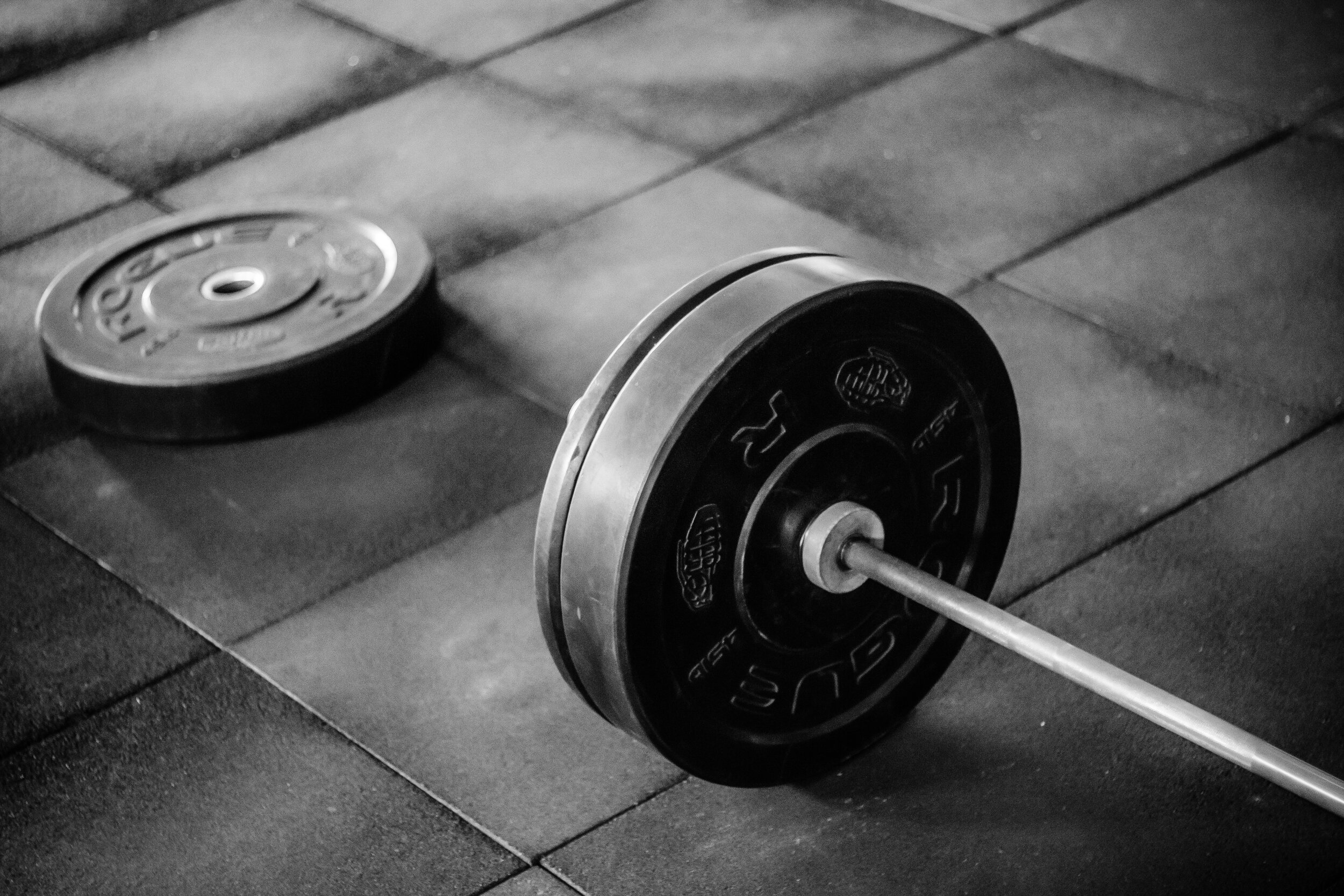
10. Teach movements/exercises that will be performed during the off-season. Not every athlete is fortunate enough to train at school year round and they most likely will be training on their own with the program that is given to them by their strength and conditioning coach. It is EXTREMELY IMPORTANT that you send your athletes home for the summer or off-season knowing how to perform the exercises you give them. You can set-up an on-line database of exercises or write a description but everybody knows that compliance will be higher if athletes know how to perform the movements that you ask them to perform. Use the post-season period to teach and reinforce proper technique in movements that you will ask them to perform. That's the conclusion to the post-season training tips series and I hope that is was helpful to all of our readers and gives you some insight into how I plan the off-season.

Teaching movements that will be performed regularly throughout the off-season is necessary during the post-season period
